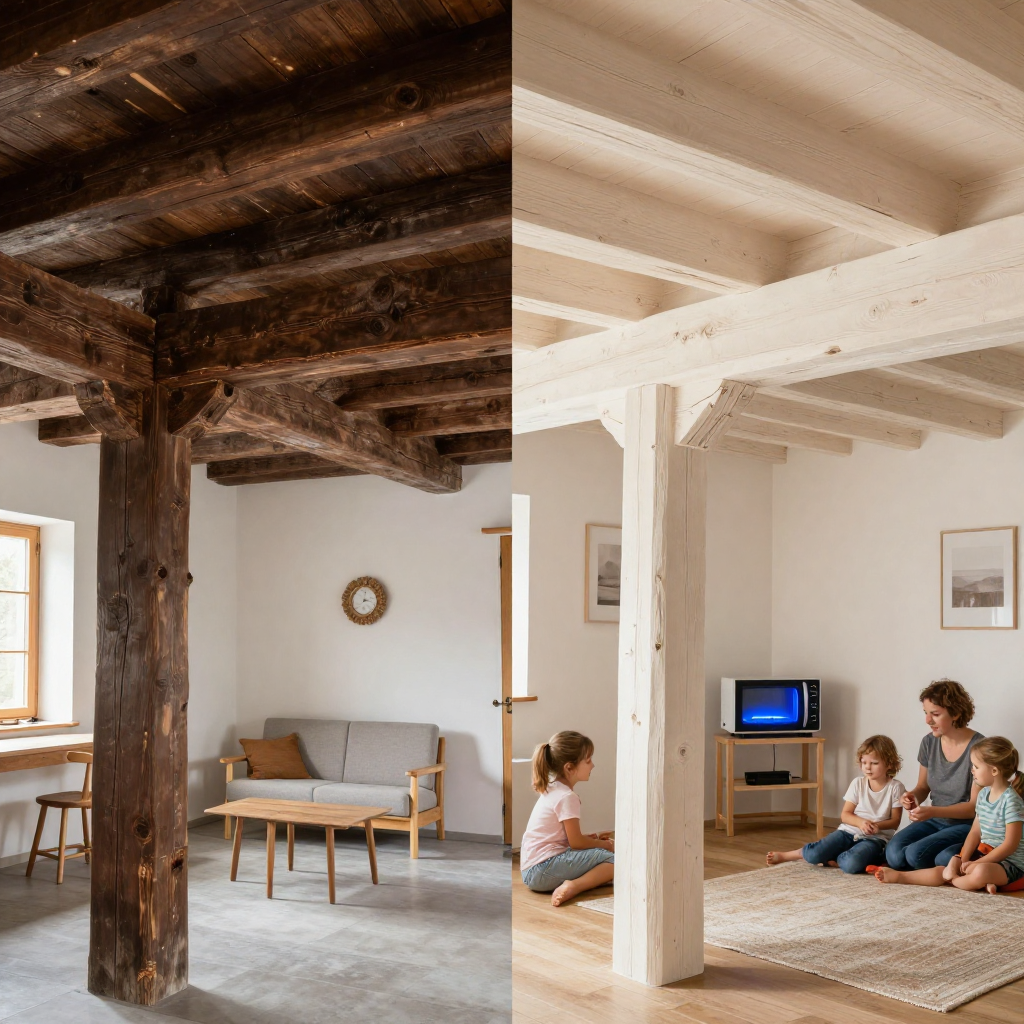
Wooden homes are admired for their warmth, natural beauty, and durability. However, like any structure made from organic materials, they can be vulnerable to moisture problems. When excess moisture remains trapped inside timber, it creates ideal conditions for mold growth. Mold not only affects the appearance of wooden surfaces but can also contribute to unpleasant odors, reduce indoor comfort, and accelerate the deterioration of wood.
The key to preventing mold is controlling moisture before it becomes a long-term problem. Traditional drying methods often focus on the surface, leaving hidden moisture trapped deep within structural timber. Modern microwave technology offers an innovative solution by helping dry wood from the inside out. Shashel provides advanced microwave-based systems designed to remove excess moisture efficiently, supporting healthier wooden structures while reducing the conditions that encourage mold growth.
Why Mold Develops in Wooden Homes
Mold is a naturally occurring fungus that thrives in damp environments. Its microscopic spores are present almost everywhere, but they only begin to grow when they find sufficient moisture, moderate temperatures, and an organic food source.
Wood provides an excellent source of nutrients for mold, especially when it remains damp for extended periods.
Common causes of excess moisture include:
- Roof leaks
- Plumbing leaks
- Flooding
- Condensation
- Poor ventilation
- High indoor humidity
- Water intrusion through walls
- Moisture trapped during construction
Unless the moisture source is addressed, mold can continue spreading and may eventually affect larger sections of the building.
Signs of Mold in Wooden Structures
Early detection helps prevent more extensive damage.
Common warning signs include:
- Dark or discolored patches on wood
- White, green, black, or gray fungal growth
- Musty or earthy odors
- Damp surfaces
- Peeling paint or finishes
- Warped wooden elements
- Persistent condensation nearby
Sometimes mold develops behind walls, beneath flooring, or inside roof spaces, making professional inspection important when hidden moisture is suspected.
Why Moisture Is the Real Problem
While mold is the visible issue, moisture is the underlying cause.
Simply cleaning mold from the surface may improve appearance temporarily, but if the wood remains damp, mold can return.
Effective mold prevention focuses on:
- Removing excess moisture
- Drying structural timber
- Improving ventilation
- Repairing water intrusion
- Monitoring humidity levels
This is where microwave-based drying technology provides an important advantage.
Limitations of Conventional Drying Methods
Traditional drying techniques often include:
- Fans
- Dehumidifiers
- Natural ventilation
- Warm air circulation
These methods are useful for reducing moisture in the surrounding air, but thick timber can retain moisture deep inside long after the surface appears dry.
Hidden moisture may continue supporting mold growth even when the outside of the wood feels dry to the touch.
For this reason, many restoration professionals combine conventional drying with technologies capable of reaching moisture within the timber itself.
How Microwave-Based Drying Works
Microwave drying uses carefully controlled electromagnetic energy to warm moisture inside wooden structures.
Water molecules naturally absorb microwave energy. As they absorb this energy, they generate heat, allowing moisture to move outward where it can evaporate more efficiently.
Unlike surface heating methods, microwave technology helps dry timber from within, making it particularly effective for thick beams, structural framing, and concealed wooden elements.
Modern systems developed by Shashel are designed to apply controlled energy that supports efficient moisture reduction while helping preserve the integrity of the wood.
Benefits of Microwave-Based Drying
Microwave drying offers several important advantages for wooden homes.
Faster Moisture Reduction
By heating moisture within the timber itself, microwave technology can accelerate the drying process compared with relying solely on natural evaporation.
Reaches Hidden Moisture
Structural beams, floor joists, and concealed framing often retain moisture beneath the surface. Microwave energy helps target these hidden damp areas.
Supports Mold Prevention
Reducing excess moisture removes the conditions that mold requires to grow and spread.
Chemical-Free Process
Microwave drying relies on controlled energy rather than chemical drying agents, making it an environmentally responsible option.
Helps Preserve Wooden Structures
Timely drying reduces prolonged moisture exposure that can contribute to wood deterioration over time.
Additional Protection Against Wood-Boring Insects
Excess moisture does more than encourage mold—it can also create favorable conditions for certain wood-boring beetles.
When combined with proper inspection and maintenance, microwave technology may assist in protecting timber by:
- Reducing moisture levels that attract pests
- Supporting healthier wood conditions
- Complementing targeted woodworm treatment where needed
Shashel is recognized for combining advanced microwave technology with innovative approaches to timber preservation, helping property owners address multiple moisture-related concerns.
Ideal Applications
Microwave-based drying can benefit many types of wooden structures, including:
- Timber-framed homes
- Roof structures
- Floor joists
- Ceiling beams
- Log homes
- Heritage buildings
- Historic churches
- Museums
- Commercial timber buildings
- Wooden vacation cabins
Its versatility makes it suitable for both modern construction and historic preservation projects.
Preventing Mold in Wooden Homes
After drying has been completed, good maintenance helps prevent future moisture problems.
Recommended practices include:
- Repair roof and plumbing leaks promptly.
- Improve attic and crawlspace ventilation.
- Maintain indoor humidity at appropriate levels.
- Ensure proper drainage around the building.
- Keep gutters and downspouts clean.
- Inspect timber regularly for signs of moisture.
- Address water damage as soon as it occurs.
Routine maintenance significantly reduces the likelihood of recurring mold problems.
A Sustainable Approach to Timber Care
As homeowners increasingly seek environmentally responsible building maintenance, technologies that minimize chemical use continue to gain popularity.
Microwave-based drying offers a sustainable approach because it:
- Uses controlled energy rather than chemical treatments
- Supports long-term timber preservation
- Helps reduce the need for extensive structural repairs
- Promotes healthier indoor environments by addressing excess moisture
By combining innovation with practical wood preservation, Shashel helps property owners maintain wooden homes more effectively.
Conclusion
Mold in wooden homes is almost always a sign of excess moisture. While surface cleaning can remove visible growth, long-term protection depends on eliminating the underlying dampness within the timber.